
Quick summary
| Question | Short answer |
|---|---|
| Price from | ~€15–25 one way to Capri or Ischia, ~€25–40 to Positano/Amalfi (varies by operator and season — check current listings) |
| Season | Capri, Ischia, Procida, Sorrento: year-round. Positano & Amalfi: roughly April–October only |
| Book ahead? | Yes for May–September mornings and all Amalfi Coast boats; walk-up is fine off-season |
| Main ports | Molo Beverello (fast boats), Calata Porta di Massa (slow/car ferries), Mergellina (some summer hydrofoils) |
| Crossing times | Procida ~40 min, Capri ~50–80 min, Ischia ~50–90 min, Sorrento ~45 min, Positano/Amalfi ~75–110 min |
Ferries from Naples are the cheapest and often the fastest way to reach Capri, Ischia and Procida, Sorrento and — in season — Positano and Amalfi. The network is genuinely good: dozens of departures a day, operators like SNAV, Caremar, Alilauro and NLG (Navigazione Libera del Golfo) competing on the same routes, and crossings short enough that a day trip is realistic to every destination on this page. The catch is that Naples has more than one passenger port, schedules shrink dramatically in winter, and in August the boats you actually want sell out. Here's how to get it right.
Molo Beverello vs Calata Porta di Massa: know your port
This is the single most common ferry mistake in Naples: turning up at the wrong pier. The Port of Naples has two main passenger areas, a 10–15 minute walk apart.
| Port | What leaves from here | How to reach it |
|---|---|---|
| Molo Beverello | High-speed hydrofoils and fast ferries (passengers only): Capri, Ischia, Procida, Sorrento, seasonal Positano/Amalfi. The vast majority of tourist crossings. | Metro Line 1 to Municipio, then a 3–5 minute walk downhill past Castel Nuovo. See our getting around Naples guide. |
| Calata Porta di Massa | Slower conventional and car ferries, mostly Caremar, to Capri, Ischia and Procida. Cheaper, steadier in swell, roughly twice the crossing time. | 10–15 minutes on foot east of Beverello; a free port shuttle sometimes links the two piers. |
| Mergellina | A handful of summer hydrofoils to Ischia and Procida, handy if you're staying in Chiaia or on the Lungomare. | Metro Line 2 to Mergellina, then a short walk to the landing. |
Every ferry route from Naples, compared
| Route | Time / frequency | What to know |
|---|---|---|
| Naples → Capri | ~50–80 min fast, ~80–100 min slow; departures roughly every 30–60 min in season | The busiest tourist route in the gulf. Morning fast boats sell out first in summer. Full island strategy in our Capri day trip guide. |
| Naples → Ischia | ~50–60 min hydrofoil, ~90 min ferry; very frequent | Boats serve three different ports — Ischia Porto, Casamicciola and Forio. Check which one sits closest to your hotel or thermal park before booking. |
| Naples → Procida | ~40 min hydrofoil; frequent, runs year-round | The shortest hop and a commuter route, so walk-up tickets almost always work. Many Ischia boats call at Procida on the way. |
| Naples → Sorrento | ~45 min fast ferry; several departures daily | Faster and far more pleasant than the Circumvesuviana train. A bundled Sorrento + Capri ferry ticket lets you chain both in one trip. |
| Naples → Positano / Amalfi | ~75–110 min; a few departures daily, roughly April–October only | Seasonal high-speed boats — the scenic, traffic-free alternative to the coast road. Book the Positano & Amalfi ferry ahead; capacity is limited and summer weekends go first. |
Times above are indicative, based on operator timetables at the time of writing — always confirm the current schedule when you book. If your goal is the coast rather than a single town, compare the plain ferry with a guided Amalfi Coast day trip, which handles all connections for you, or a gulf boat tour that cruises rather than commutes.
Booking ahead vs walking up
Book ahead when: you travel between May and September, you need a specific morning departure to make a day trip work, you're on the seasonal Positano/Amalfi route (limited boats, no slow-ferry backup), or you're connecting from a cruise ship or flight with a fixed window. Online tickets also let you skip the ticket-office line at Beverello, which on summer mornings can eat 30–45 minutes on its own.
Walk up when: it's off-season, you're doing a short commuter hop to Procida or Ischia, or you want to stay flexible around weather. Ticket windows for all operators line the back of the Beverello pier; departures boards show the next boats exactly like an airport.
- Pick your destination and date, then compare fast vs slow options — the price gap is usually a few euros, the time gap is double.
- Book the outbound for a fixed time — mornings between 8:00 and 9:30 give you the fullest day.
- Leave the return flexible if the operator allows it, or book a mid-afternoon boat and treat the last departure as your emergency backup, never your plan.
- Arrive 30 minutes early with the QR code on your phone and go straight to the gate.
Luggage on Naples ferries
Simpler than people fear. A cabin-size bag or backpack travels free with every operator. Large suitcases are allowed too; some companies list a small luggage fee (a few euros, paid at the pier or on board — check the operator's conditions when you book). On hydrofoils, crews stack big bags in racks by the entrance: keep passports, electronics and medication in a small bag at your seat. There are no lockers at Molo Beverello itself, but the luggage deposit at Napoli Centrale works if you want to day-trip light — details in our Rome to Naples guide, which covers the station.
Seasickness, weather and cancellations
The Gulf of Naples is usually gentle, but hydrofoils magnify chop, and autumn-to-spring crossings to Capri can be lively. Practical rules:
- Prone to motion sickness? Take the slower conventional ferry from Calata Porta di Massa — bigger hull, steadier ride — and sit low, mid-ship, eyes on the horizon.
- Take any pill 30–60 minutes before boarding, not when you already feel bad. Pharmacies around the port stock the usual options.
- Wind cancels hydrofoils first. When fast boats stop, slow ferries often still run. Ask at the pier rather than assuming your day is dead.
- Never sandwich the last boat of the day between you and a flight or train. Build in a buffer crossing.
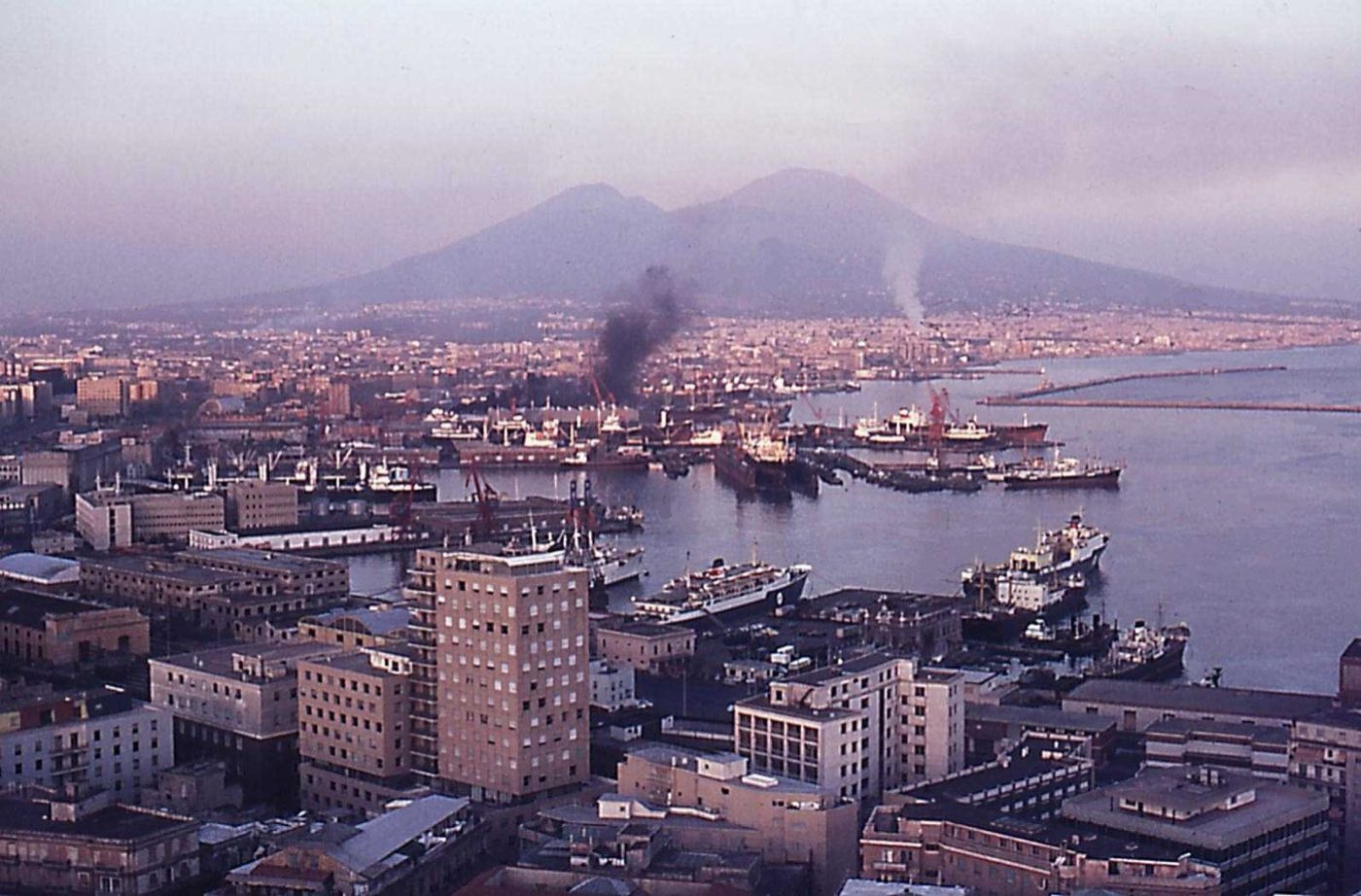
- For views, sit on the left side leaving Naples toward Capri or Sorrento — Vesuvius and the coastline stay in frame the whole way.
Timing is everything
- Best months for island-hopping: May, June, September — full schedules, calmer seas, thinner crowds.
- Busiest boats: 8:00–10:00 outbound and 17:00–18:30 return, July–August, plus every summer Sunday evening when weekenders flood back.
- Winter reality: Capri, Ischia and Procida keep year-round service on reduced timetables; Positano and Amalfi boats stop entirely.
- Photo light: the return crossing an hour before sunset, with Naples and Vesuvius going gold, beats anything on the outbound leg.
How to save on ferry travel
- Take the slow boat from Calata Porta di Massa when you're not in a hurry — it's the cheapest way to Capri or Ischia.
- Kids travel reduced on most operators, and infants often free — brackets vary, so check the fare rules on the listing.
- Compare operators on the same route: SNAV, Alilauro, NLG and Caremar price independently and a few euros apart.
- Bundle where it makes sense — a combined Sorrento + Capri crossing or a day tour with the boat included is often cheaper than three separate tickets.
- Watch the return fare. Same-operator returns are sometimes discounted; two singles with different operators buy you schedule freedom instead. Decide which matters more.
How to get to the ferry ports
From Napoli Centrale: metro Line 1 from Garibaldi to Municipio (~10 minutes), then walk downhill past Castel Nuovo to Molo Beverello — 20–25 minutes door to door, a bit more with bags. A taxi from the station to the port is a short flat-rate ride; agree the tariff before moving (our transport guide explains how Naples taxi flat rates work). From Capodichino Airport, the Alibus shuttle runs directly to the port area — see airport transfers for the full rundown. Cruise passengers are already there: the Stazione Marittima terminal sits between the two piers, covered in our cruise port guide.
FAQ: ferries from Naples
Which port do ferries leave from in Naples?
High-speed hydrofoils and fast ferries leave from Molo Beverello, right below Castel Nuovo. Slower conventional and car ferries use Calata Porta di Massa, about a 10–15 minute walk east. A few Ischia and Procida hydrofoils also depart from Mergellina in summer.
Do I need to book Naples ferries in advance?
From roughly May to September, yes — book morning crossings to Capri and the seasonal Positano and Amalfi routes a few days ahead. In winter, and for frequent commuter routes like Procida and Ischia, buying at the pier is usually fine.
How long is the ferry from Naples to Capri?
High-speed vessels from Molo Beverello take roughly 50–80 minutes. Slower ferries from Calata Porta di Massa take about 80–100 minutes.
Is there a direct ferry from Naples to Positano or Amalfi?
Yes, but only seasonally — roughly April to October. High-speed boats run from Molo Beverello to Positano and Amalfi in around 75–110 minutes. Outside the season you go by train and bus via Sorrento or Salerno instead.
Can I take luggage on ferries from Naples?
Yes. A cabin-size bag travels free on virtually all routes; some operators list a small fee for large suitcases, charged on board or at the pier. Crews stack big bags in racks near the entrance, so keep valuables with you.
What happens if my ferry is cancelled for bad weather?
Operators refund or rebook cancelled sailings, and staff at the pier will point you to the next available departure — slower ships often still run when hydrofoils stop. Never plan a same-day flight around the last crossing of the day.
Which side of the ferry should I sit on?
For views heading to Capri or Sorrento, sit on the left side leaving Naples — you face Vesuvius and the coast. If you get seasick, choose a middle seat on the lower deck near the stern and keep your eyes on the horizon.
Ferries from Naples reward five minutes of planning: know your pier, book the summer morning boats, keep the last departure as a buffer, and choose the hull that matches your stomach. Do that and the gulf becomes what it has been for centuries — the easiest road out of the city.