
Quick summary
| Question | Short answer |
|---|---|
| Price from | ~€35–50 day pass at Ischia's big thermal parks; ~€30–60 for a city hammam entry or spa ritual (check official sites and current listings) |
| Season | Open-air parks roughly April–October; city spas, hammams and thermal hotels year-round |
| Book ahead? | City spas and treatments, yes; park day passes usually bookable short-notice except August weekends |
| Time needed | Full day for an Ischia park (with ferry); 2–3 hours for a hammam or day spa |
| Getting there | Ferries to Ischia from Molo Beverello / Calata Porta di Massa, ~50–90 min |
Thermal baths in Naples and Ischia are not a spa-hotel invention — they're the region's oldest continuously running attraction. The Greeks credited Ischia's waters with healing powers, the Romans built bath complexes at Baia and Agnano that emperors traveled to, and the island's spring-fed pools have been in the wellness business ever since. Everything runs on the same engine: the Campi Flegrei volcanic system heats groundwater underground and sends it up warm, mineral-rich and, in a few places, free of charge. Your options split into three tiers — island thermal parks, city day spas, and the historic springs — and they suit different trips.
Thermal park, city spa or historic springs: compare your options
| Option | What you get | Best for |
|---|---|---|
| Ischia thermal parks | Terraced open-air complexes with 15–20+ pools at different temperatures, saunas, sea access and gardens. A full-day format: arrive at opening, leave at closing. See it as a beach day with plumbing by volcano. | The definitive version. Worth structuring an entire day trip — or overnight — around; our Ischia & Procida guide covers the island logistics. |
| Naples day spas & hammams | Turkish baths, steam rooms, pools and massage rituals in the city center — 2–3 hour sessions, no ferry required. Compare hammam and bath sessions. | Rainy days, winter trips, and recovery after a Pompeii and Vesuvius day. Book time slots ahead — capacity is small. |
| Wellness & spa packages | Massages, couples' rituals and spa-plus-treatment bundles, in the city and at thermal hotels. Browse wellness listings for current formats. | Couples and anyone marking an occasion; pairs naturally with an evening from our nightlife guide. |
| Historic & free springs | Terme di Agnano in Naples' western crater (spa facility on an ancient site), the Roman baths of Baia in the Campi Flegrei, and Ischia's free Sorgeto hot cove. | Budget travelers and anyone who likes their wellness with archaeology attached — see the Campi Flegrei guide. |
Ischia: the thermal island
Ischia is the largest island in the gulf and the one Europeans have been visiting for cures since the 19th-century grand-tour era — the thermal park as a format was essentially perfected here. Two names dominate, and both are examples rather than an exhaustive list:
- Giardini Poseidon Terme (Citara Bay, west coast) — the biggest of the parks, with some 20 pools stepped down a hillside to a private beach, kept at temperatures from cool to very hot. Full-day passes generally run around €35–50 in high season, less for afternoon entry — rates change yearly, so check the official website.
- Negombo (San Montano Bay, near Lacco Ameno) — smaller, more designed, half botanical garden, with pools scattered among tropical planting above one of the island's best swimming bays. Similar price band; the bay alone justifies the trip.
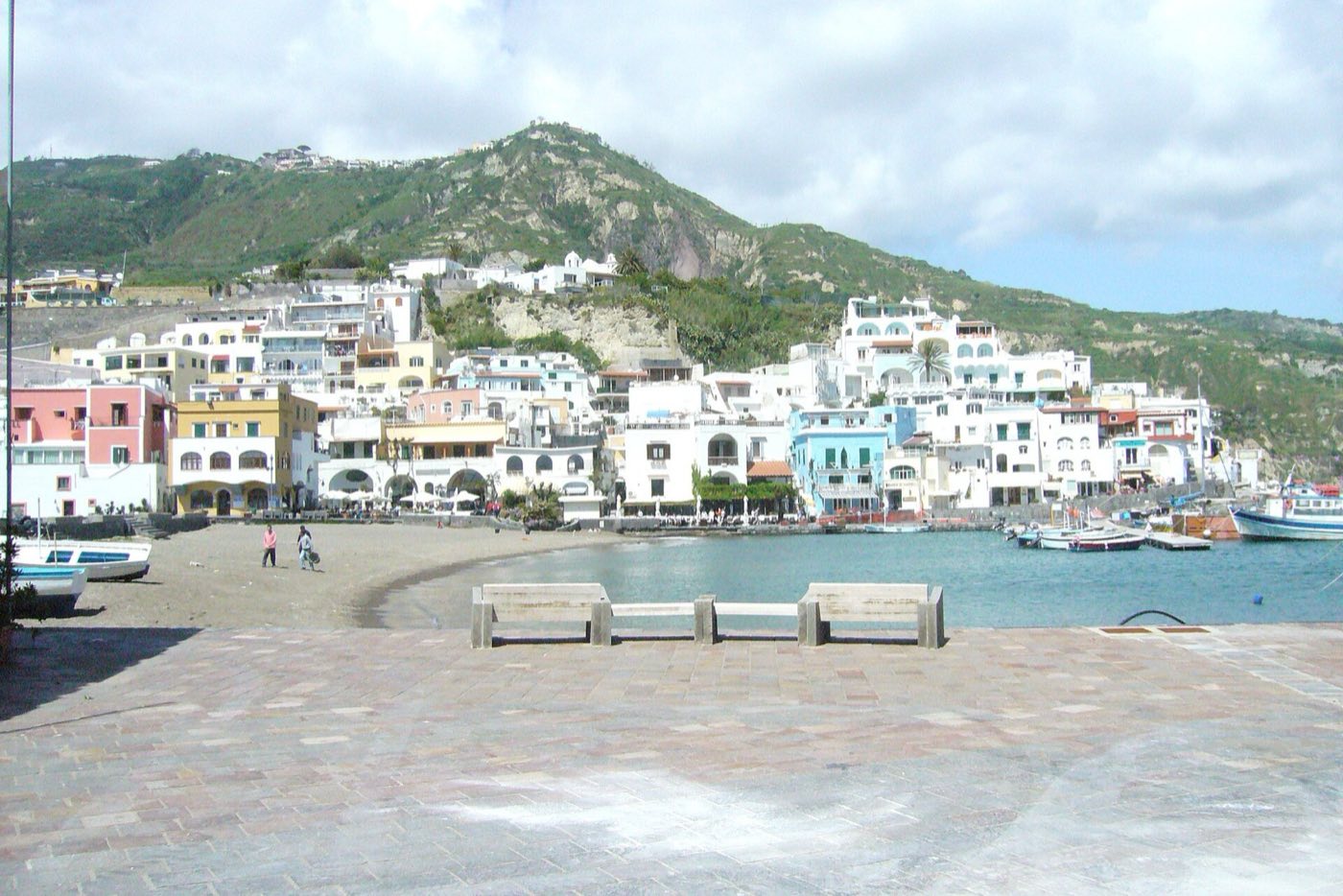
Beyond the parks, the village of Sant'Angelo in the island's south is the postcard thermal town — car-free, with fumaroles literally steaming on the beach nearby. And at Sorgeto cove, volcanic springs boil into the sea between the rocks: free, open year-round, and best at night or off-season when the crowds thin. Bring swim shoes; the stones are hot in the literal sense.
Logistics are simple: ferries and hydrofoils from Naples take roughly 50–90 minutes, then island buses or taxis reach the parks. Our ferry guide covers ports and operators. If you'd rather have the day organized end to end, island tours from Naples bundle transport and stops — compare formats in the Ischia & Procida day-trip guide.
In the city: hammams, day spas and Agnano
You don't need a ferry for hot water. Central Naples has a growing set of hammams and day spas — Turkish-bath rituals, steam, plunge pools, massage — mostly small venues around the centro storico and Chiaia where a 2–3 hour session costs roughly €30–60 depending on treatments (check current listings on GetYourGuide). They run on reservations, not walk-ins, which makes them the most bookable wellness option in the region and the best rainy-day card after the museums.
Terme di Agnano deserves a mention for context as much as for treatments: the spa sits inside the Agnano crater on the city's western edge, where steam vents and mineral springs have been exploited since antiquity — the Romans built thermae here, and the modern establishment continues the tradition with thermal pools and medical-spa services. It's a local institution more than a tourist stop, which is exactly its charm. Nearby, the Campi Flegrei add the archaeological layer: the sunken Roman spa town of Baia and the Solfatara's steaming fields explain where all this hot water comes from.
Timing is everything
- Parks: go at opening (usually 9:00). The first two hours are the quietest in the pools; by noon in August every lounger is claimed.
- Season: April–October for the open-air parks; May, June and September are the sweet spot — warm sea, thinner crowds, softer sun.
- Afternoon passes save money where offered, and late afternoon light on Citara or San Montano bay is the best of the day.
- Sorgeto after dark is a local tradition — hot water, cold air, stars. Off-season it's at its best; midsummer midday it's crowded and less pleasant.
- City hammams: book weekday slots. Weekends fill first, and some venues reserve blocks for couples' rituals.
- Winter: the parks close but thermal hotels with indoor pools, city spas and Sorgeto keep the tradition running — arguably the most atmospheric time to soak.
How to save
- Afternoon entry at the big parks costs meaningfully less than a full day and still gives you 4–5 hours of pools.
- Bring your own towel and robe — rentals add up at the parks; a packable microfiber towel pays for itself in one visit.
- Eat before or bring a picnic where allowed; park restaurants charge captive-audience prices.
- Sorgeto is free. A €0 thermal experience on the same volcanic system the parks charge for — budget travelers can build a whole Ischia day around it plus a beach.
- Compare ferry + park separately vs a packaged day tour — with two or more people the DIY version is often cheaper, but packages remove all the island-bus friction.
- Check age policies before paying for kids — some parks discount children, others discourage young kids entirely; the wrong assumption costs a day.
How to get there
To Ischia: ferries and hydrofoils leave from Molo Beverello (fast) and Calata Porta di Massa (slower, cheaper) — metro Line 1 to Municipio puts you at the port. Boats land at Ischia Porto, Casamicciola or Forio; check which port is closest to your park (Forio for Poseidon, Casamicciola or Lacco Ameno side for Negombo) before choosing a crossing. Island buses and taxis cover the last stretch. Full details in the ferries guide.
In Naples: city spas cluster within walking distance of Toledo and Amedeo stations. Agnano: the crater sits between Fuorigrotta and Pozzuoli on the city's west side, reachable by suburban transport or taxi in roughly 20–30 minutes from the center — see the getting-around guide for tickets and lines.
FAQ: thermal baths in Naples and Ischia
Are there thermal baths in Naples itself?
Yes, on a smaller scale than Ischia. The historic Terme di Agnano complex sits in a volcanic crater on the western edge of the city, and central Naples has day spas and hammams offering baths, steam and massages. For the full open-air thermal park experience, Ischia is the destination.
Can you visit Ischia's thermal parks as a day trip from Naples?
Yes. Ferries and hydrofoils from Molo Beverello and Calata Porta di Massa take roughly 50–90 minutes to Ischia. Leave on an early boat, spend the day at a park like Poseidon or Negombo, and return in the evening — it's a comfortable single day.
How much do Ischia thermal parks cost?
Day passes at the large parks generally run around €35–50 in high season, with afternoon entries cheaper — exact rates change yearly, so check the parks' official websites. Treatments, loungers in premium zones and lunch are extra.
What is the Sorgeto hot spring in Ischia?
A rocky cove near Panza where volcanically heated water bubbles into the sea, mixing hot and cold currents you can soak in free of charge, year-round. Access is via a long stair or a water taxi; wear swim shoes — the stones are hot and uneven.
Are the thermal parks open in winter?
Mostly no — the big open-air parks typically operate from around April to late October. In winter, thermal hotels on Ischia with indoor pools, the Naples city spas and hammams, and the free Sorgeto cove carry the season.
What should I bring to a thermal park?
Swimsuit, flip-flops, a towel or robe (rentable at most parks), swim shoes for rocky sea access, sunscreen and water. Many pools ask you to shower before entering; a swim cap is generally not required outdoors.
Are thermal baths suitable for children?
Parks admit children, but very hot pools are unsuitable for young kids and some quiet zones are adults-only. Families do best at parks with beach access and mixed-temperature pools; check each park's rules before booking.
Thermal baths and spas around Naples reward matching the format to your trip: a full Ischia park day if you have the time, a city hammam if you have an afternoon, Sorgeto if you have swim shoes and no budget. Twenty-five centuries of bathers on this gulf can't all be wrong — pick your pool and get in.