
Quick summary
| Question | Short answer |
|---|---|
| Price from | ~€40–60 street food walk with tastings; ~€50–90 pizza-making or cooking class (check current prices on GetYourGuide) |
| Season | Year-round — food tours are the best rainy-day and winter activity in Naples |
| Book ahead? | Yes in April–October and on weekends; small groups cap at 10–15 and top-rated tours fill days ahead |
| Time needed | 2.5–3.5 hours for a walk; 2–3 hours for a class; market-to-table up to 5 hours |
| Where | Centro storico (Via dei Tribunali, Spaccanapoli), Pignasecca market, Spanish Quarter |
Naples food tours work because the city's food culture is street-level to begin with. Pizza was invented here as cheap food eaten standing up; the fried-snack counter (friggitoria) predates the concept of fast food by a couple of centuries; and the best pastry in town costs less than a metro ticket. A guided walk simply strings together what Neapolitans already do — with someone who can explain why the ragù cooks for six hours and which counter is coasting on its reputation. Below: the formats compared, the dishes you should demand, and how to book the right one.
Food tour formats compared: walk, class or market
| Format | What you get | Best for |
|---|---|---|
| Street food walking tour | 2.5–3.5 hours, 5–8 stops in the centro storico or around the Pignasecca market: fried snacks, folded pizza, pastry, espresso, often a limoncello or local wine. The classic version runs with a local guide. | First visit, first day. You leave with a mental map of what to eat for the rest of the trip. |
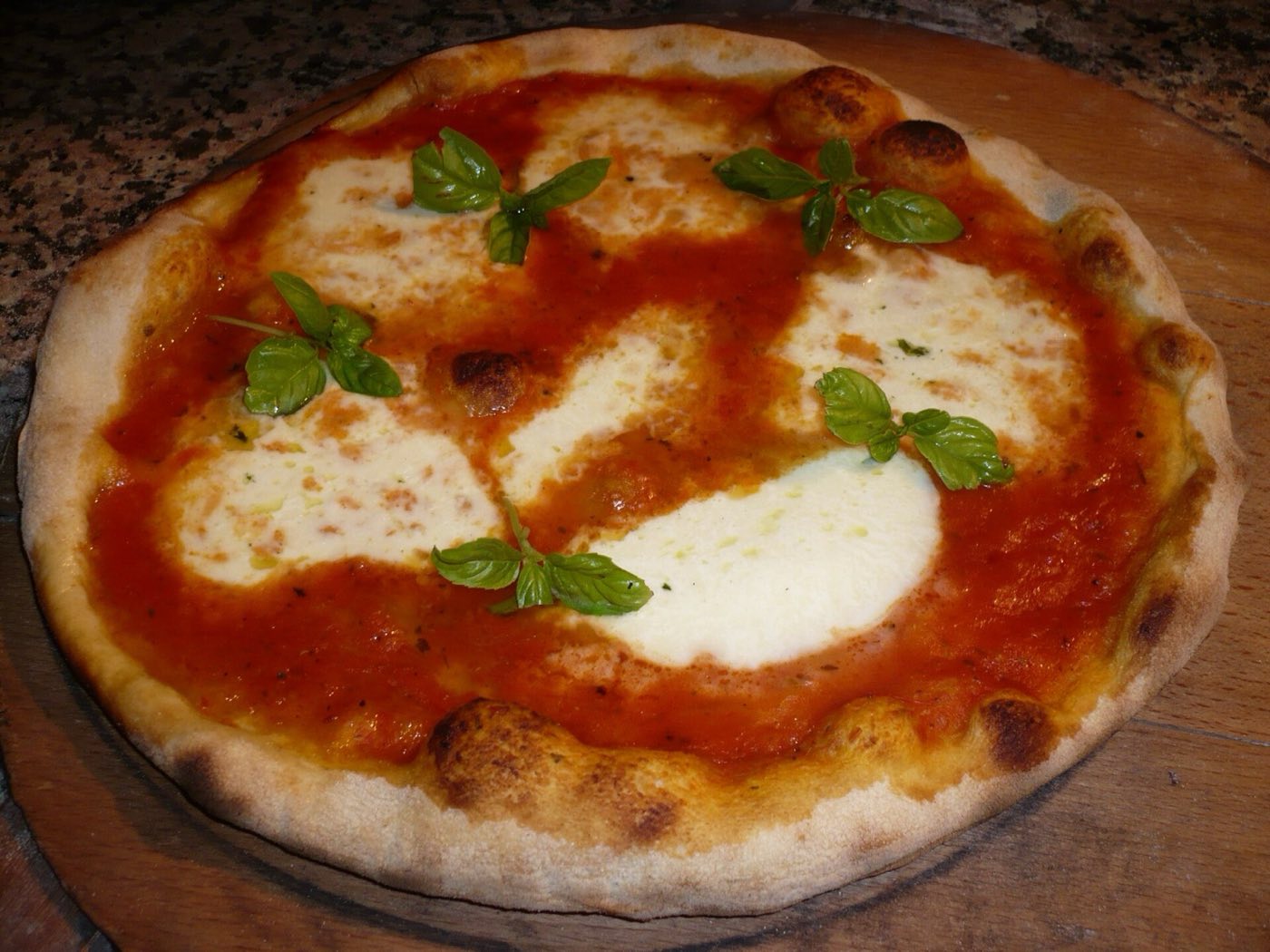
| Pizza-making class | 2–3 hours in a pizzeria or cooking studio: stretch the dough, top it, watch it blister in a wood-fired oven at around 450 °C, then eat your own margherita. Usually includes drinks. | Families, couples, anyone who wants a skill to take home. The dough recipe is the souvenir. |
| Cooking class (full menu) | Hands-on lesson on classics beyond pizza — fresh pasta, ragù or Genovese sauce, eggplant parmigiana, babà — followed by lunch or dinner of what you cooked. Compare cooking classes here. | Food-focused travelers on a second or third day, and anyone who has already done a pizza class elsewhere. |
| Market-to-table | Starts with shopping at the Pignasecca or Porta Nolana market with the chef, then cooking the haul. Longest format, smallest groups. | People who care where food comes from; the market banter is half the value. |
| Evening street food + drinks | Same stops as a day walk but after dark, usually with more wine and an aperitivo angle. Pairs naturally with a night out — see our Naples nightlife guide. | Anyone whose daytime schedule is already full of Pompeii and museums. |
What you should actually eat: the non-negotiables
A good Naples food tour earns its price with selection, not quantity. These are the dishes that belong on any serious route — if a listing's menu skips most of them, keep scrolling.
- Pizza a portafoglio. A small margherita folded in four like a wallet, eaten standing from paper. This is pizza in its original street format, historically the cheapest hot meal in the city.
- Frittatina di pasta. A fist-sized cake of bucatini bound with béchamel, peas and ham, breaded and deep-fried. The signature item of every friggitoria; order it molten.
- Cuoppo. A paper cone of mixed fried things — zucchini, potato croquettes (crocchè), fried dough (pastacresciuta), and in the seafood version anchovies and calamari. Built for walking.
- Pizza fritta. The deep-fried calzone stuffed with ricotta, provola and cicoli (pork scraps) — born in the post-war years when wood ovens were scarce and frying oil wasn't.
- Sfogliatella. The city's defining pastry, in two schools: riccia (crisp, shell-shaped, hundreds of layers) and frolla (smooth shortcrust). Both filled with ricotta, semolina and candied citrus. Taste both; pick a side.
- Babà. A yeast cake soaked in rum syrup, sold plain or with cream. Neapolitans use it as a compliment — "si nu babbà" means you're a sweetheart.
- Espresso, drunk at the bar. Neapolitan coffee is short, dark and pre-sugared unless you say otherwise ("senza zucchero"). A proper tour ends with one, standing up.
Good tours add context you can't taste: why the margherita's colors mirror the flag, why true Neapolitan pizza is certified by discipline (the Associazione Verace Pizza Napoletana publishes the rules), and why the six-hour onion Genovese sauce has nothing to do with Genoa. That's the difference between a guide and a chaperone.
Where the tours go
Almost every route sticks to three zones, all flat and walkable. The centro storico — Via dei Tribunali and Spaccanapoli — has the highest density of famous pizzerias and friggitorie per meter in Italy; it's also where you'll queue longest if you come alone at 13:00. The Pignasecca market, just off Via Toledo, is the working-class market route: fish stalls, tripe stands (o' pere e o' musso for the brave), and bakeries locals actually use. The Spanish Quarter adds the backdrop — laundry lines, shrines, the Maradona murals — and several tours combine eating with the neighborhood's street life; our Spanish Quarter guide covers what you'll walk past between bites, and the old town guide maps the centro storico stops.
Dietary notes: vegetarian, vegan, gluten-free
- Vegetarians do well. Margherita, marinara, frittatina without ham (ask), crocchè, fried zucchini, sfogliatella, babà — most of the canon is meat-free. Watch for lard (strutto) in some fried doughs and taralli, and meat broth in some frittatine; a good guide knows which counters use what.
- Vegans need notice. The marinara (tomato, garlic, oregano, no cheese) is the classic vegan pizza, and the seafood-free cuoppo can be built vegan. Flag it at booking — same-day requests limit you to whatever happens to work.
- Gluten-free is possible but narrower. Several Naples pizzerias run certified gluten-free ovens; street frying is riskier due to shared oil. Book a class or tour that explicitly lists gluten-free options rather than hoping on the day.
- Allergies: write them in the booking notes and repeat them to the guide at the meeting point. Fried items share fryers; nut traces appear in pastries.
Timing is everything
- Morning tours (9:30–10:00 starts) get the markets at full volume and the first sfogliatella still warm. Best overall slot.
- Avoid starting at 12:30–13:30 on DIY eating days: pizzeria queues in the centro storico peak with the lunch wave. Tours skip lines with reserved counters — one of the honest advantages of paying for one.
- Evening walks (17:30–18:00) catch the passeggiata and aperitivo hour; the centro storico is at its most photogenic just after sunset.
- Sunday is ragù day in Neapolitan homes, but many market stalls close — market-based tours mostly run Monday to Saturday.
- Rain changes nothing. Stops are indoors or under cover; a food tour is the best wet-weather booking in the city alongside the museums.
How to save on Naples food tours
- Count the tastings, not the price. A €55 walk with 8 stops including drinks beats a €40 walk with 4. Read the "includes" list line by line.
- Skip lunch that day. The tour is the meal — 5–8 tastings add up to more food than a restaurant lunch. Budget accordingly and you've effectively halved the tour's net cost.
- Kids often pay reduced rates on family-friendly tours and classes (brackets vary by operator — check the listing). Pizza classes are the best value for families since everyone eats what they make.
- Weekday departures occasionally price lower than Friday–Sunday for the same product; compare dates before locking one in.
- Free cancellation is standard on most GetYourGuide listings up to 24 hours ahead — book early for the small-group spots, adjust later if plans move.
- Don't double-book the same format. One street food walk covers the canon; a second one repeats 70% of it. Vary with a class or a private tour that customizes the route.
How to get to the meeting points
Food tours meet where the food is, so the meeting points cluster around three easy landmarks. Centro storico tours typically start at Piazza Dante or Piazza San Gaetano — metro Line 1 to Dante, or a 10–15 minute walk from Napoli Centrale down Corso Umberto. Pignasecca and Spanish Quarter routes meet around Via Toledo — Line 1 to Toledo station (worth arriving early just to see the station itself). Cooking studios are scattered but almost always within 10 minutes of a Line 1 stop. Coming from a cruise ship, everything above is 15–25 minutes on foot from the terminal — our cruise port guide has the walking routes, and the getting-around guide covers metro tickets.
Food tour, class — or both?
If you only book one food experience in Naples, make it the street food walk: highest information density, lowest effort, works in any weather. Add a pizza-making class if you're traveling with kids or you cook at home — stretching real Neapolitan dough teaches you more about pizza than eating ten of them. Serious cooks should go straight to a market-to-table class. And if your evenings are free, an evening tasting walk doubles as the first act of a night out around Piazza Bellini — the nightlife guide takes over from there. For a broader plan of your days, start with our things to do in Naples hub.
FAQ: Naples food tours & cooking classes
How long does a Naples food tour last?
Most street food walking tours run 2.5–3.5 hours with 5–8 tastings. Cooking classes and pizza-making classes usually take 2–3 hours including eating what you make. Market-to-table classes that start with shopping can stretch to 4–5 hours.
Should I eat before a Naples food tour?
No — arrive hungry. A typical tour includes a fried snack or two, a portion of pizza, a pastry and often a drink or espresso. Most people leave full, and paying for lunch beforehand is money wasted.
Can vegetarians join a Naples food tour?
Yes. Neapolitan street food is naturally vegetarian-friendly — pizza a portafoglio, frittatina, fried dough and pastries mostly contain no meat, though some use lard or meat broth. Flag your diet when booking so the guide can swap items. Vegan and gluten-free need more notice and a smaller range.
Are pizza-making classes in Naples good for kids?
Generally yes — kneading and topping dough works for almost any age, and most classes welcome families. Check the listing for minimum ages and child pricing; some evening classes are adult-oriented.
How much does a food tour in Naples cost?
Street food walks typically cost around €40–60 per person with tastings included; pizza-making and cooking classes roughly €50–90 depending on length and whether drinks are included. Prices vary by season and operator — check current listings on GetYourGuide.
What is pizza a portafoglio?
A smaller Neapolitan pizza folded in four like a wallet (portafoglio) and eaten standing up from paper. It's the classic street format, usually a margherita, and traditionally one of the cheapest bites in the city.
Where do food tours in Naples usually go?
Most cover the centro storico — Via dei Tribunali and Spaccanapoli — or the Pignasecca market area and the Spanish Quarter. Tours are walking-based, flat, and rarely cover more than 2 km.
Do I need to book Naples food tours in advance?
In high season, yes — small-group tours cap at 10–15 people and the best-rated ones sell out several days ahead. Off season you can often book 1–2 days before. Most listings offer free cancellation up to 24 hours.
Naples food tours and cooking classes are the safest booking in this city: the raw material is world-class, the prices are honest, and the format survives rain, heat and strikes. Book the walk for your first day, come hungry, and let the frittatina do the convincing.